Burial mounds
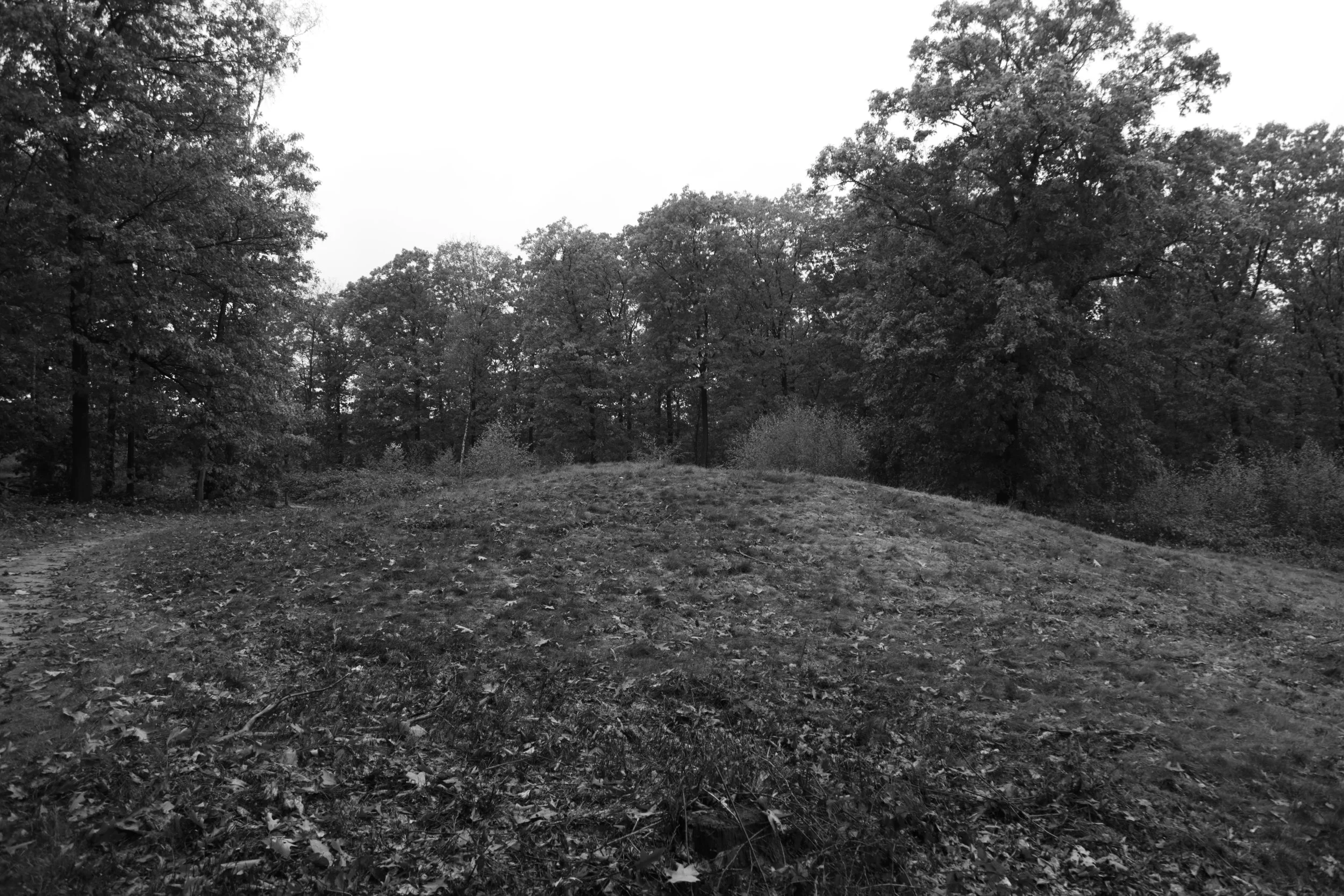
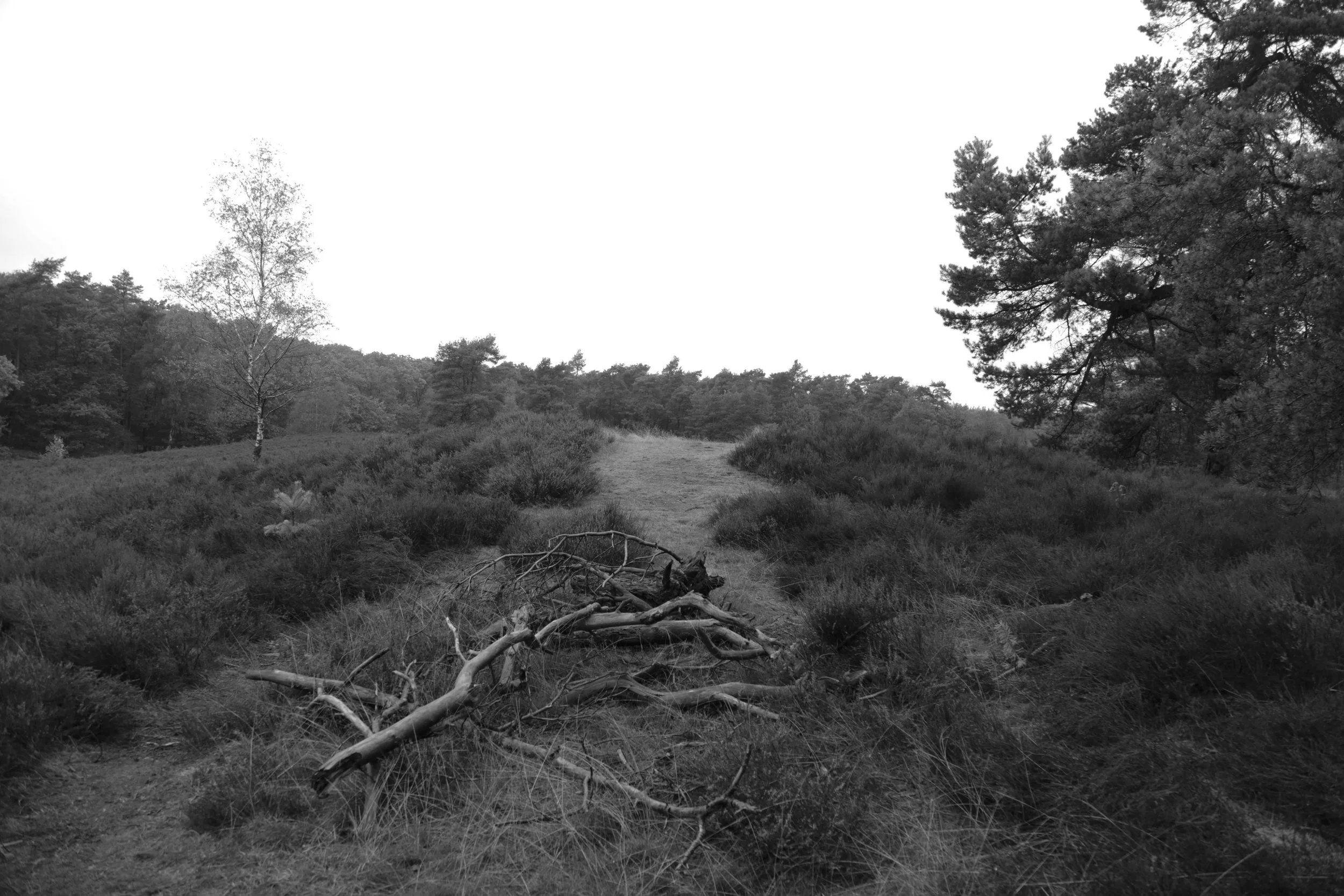
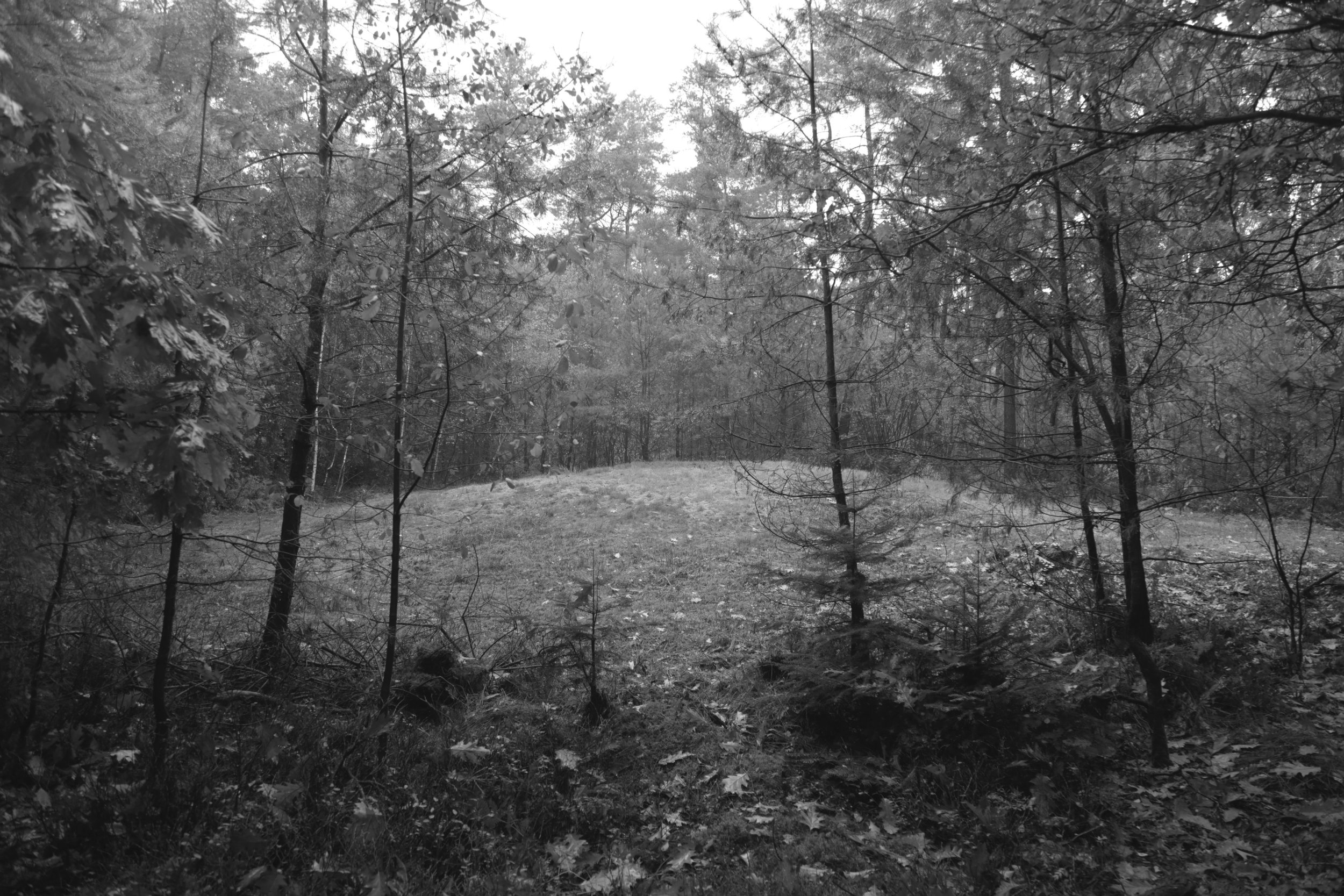
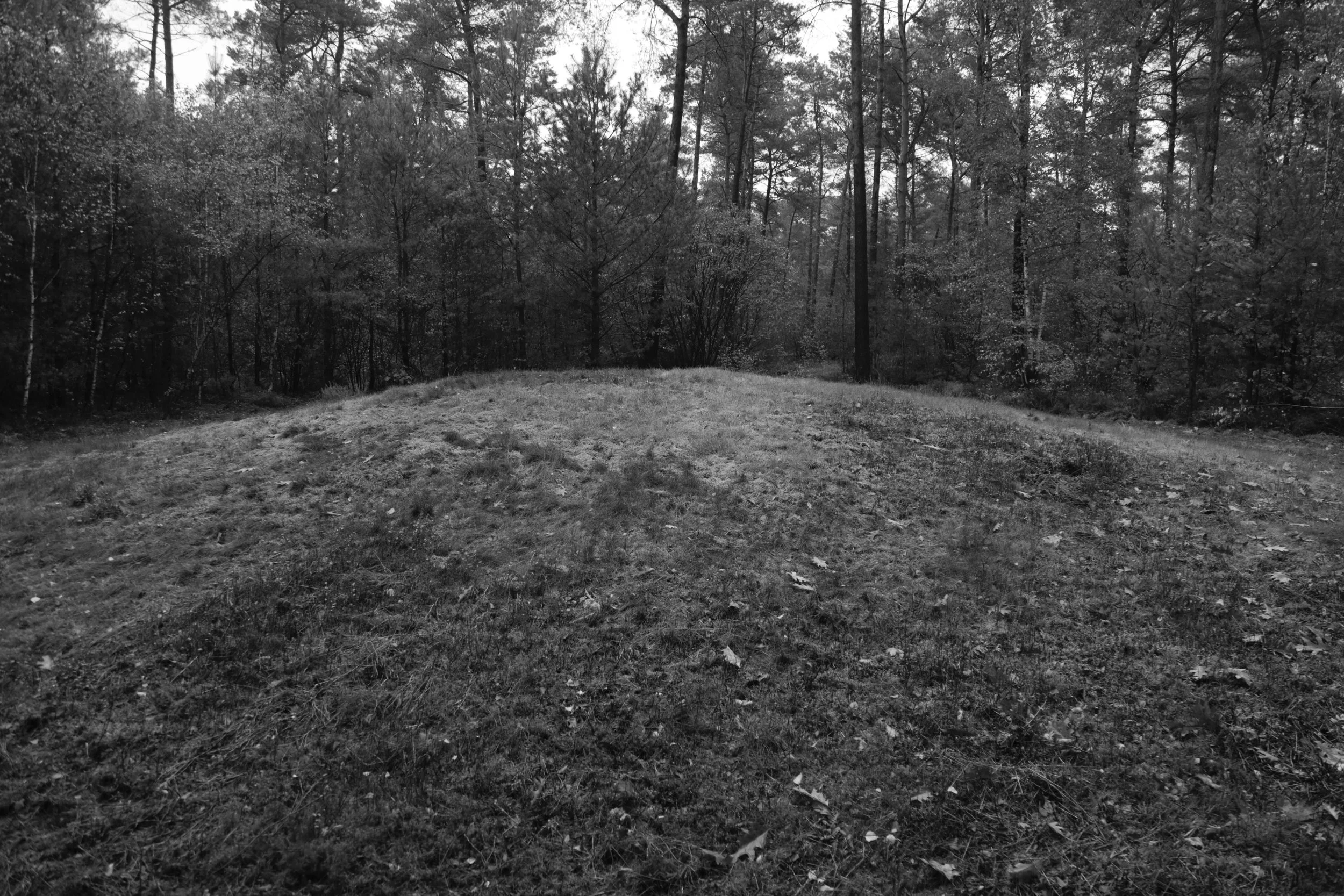
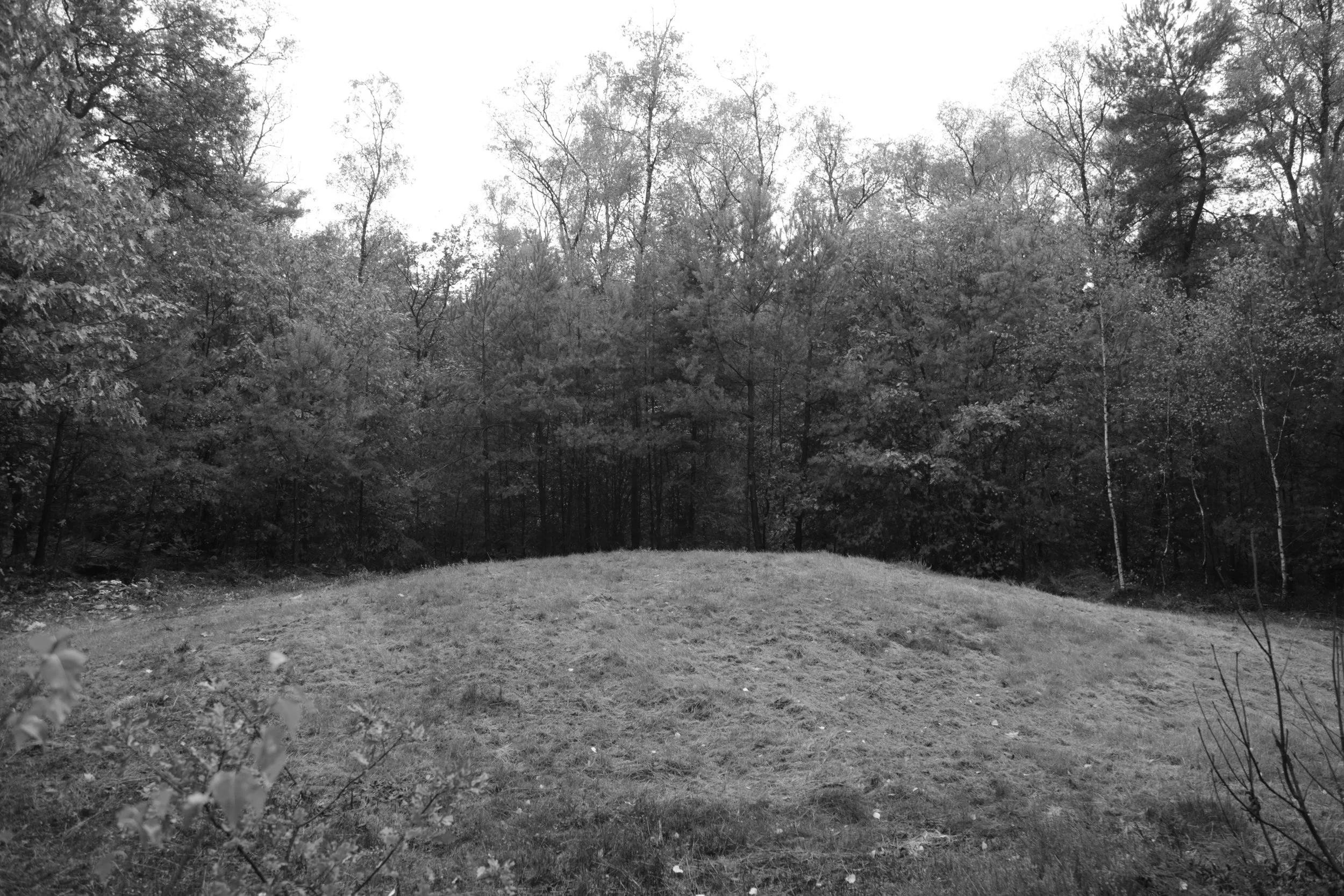
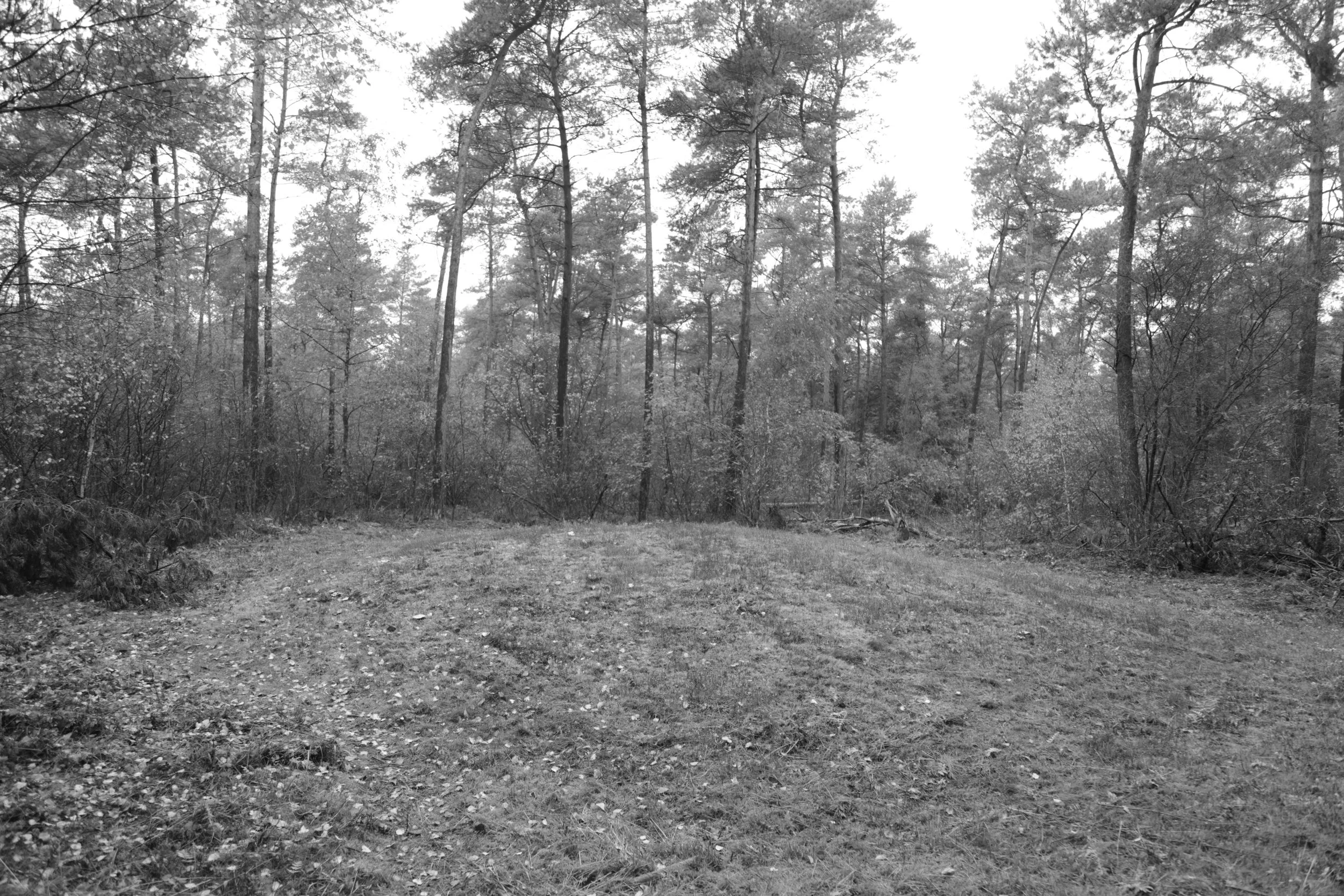
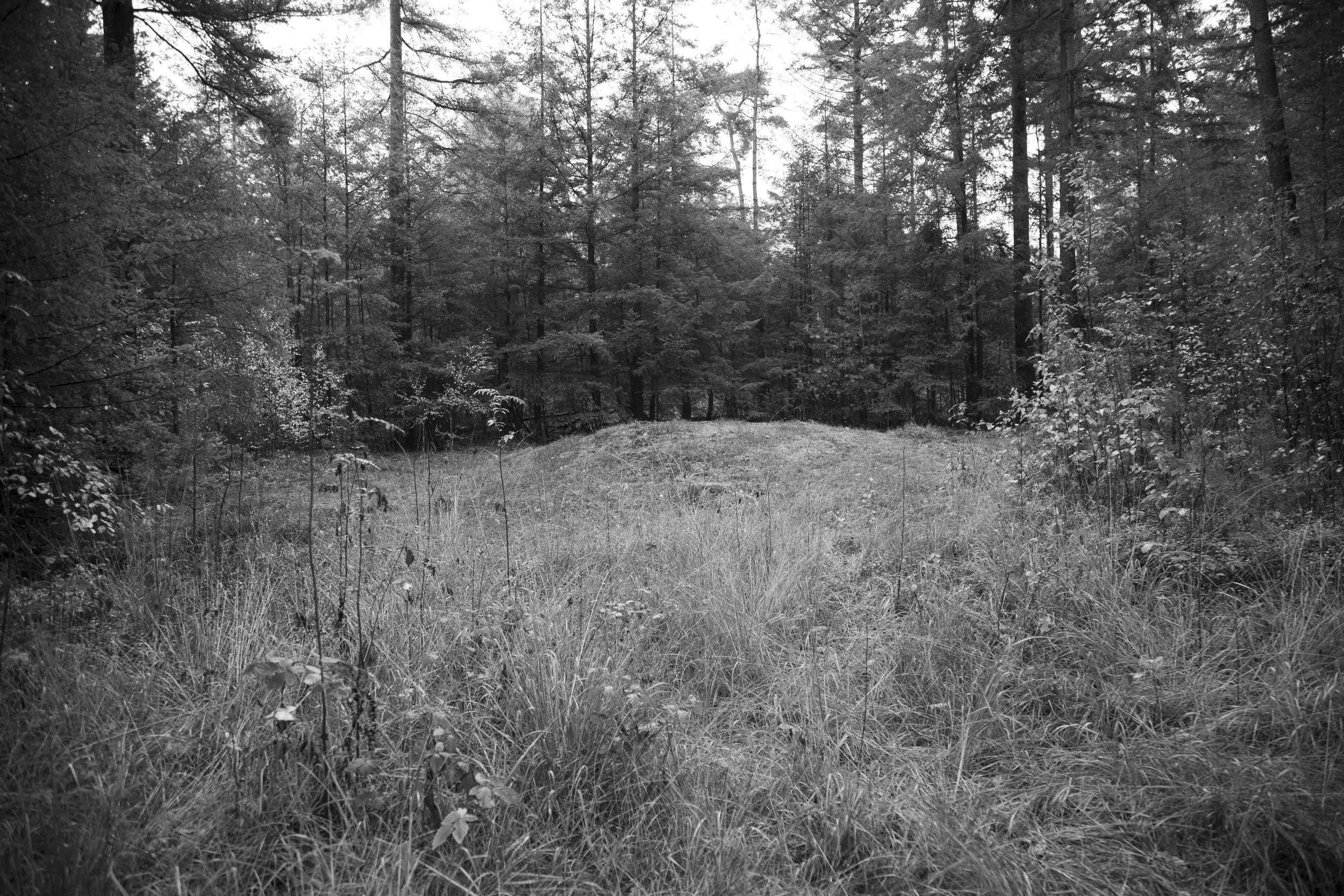
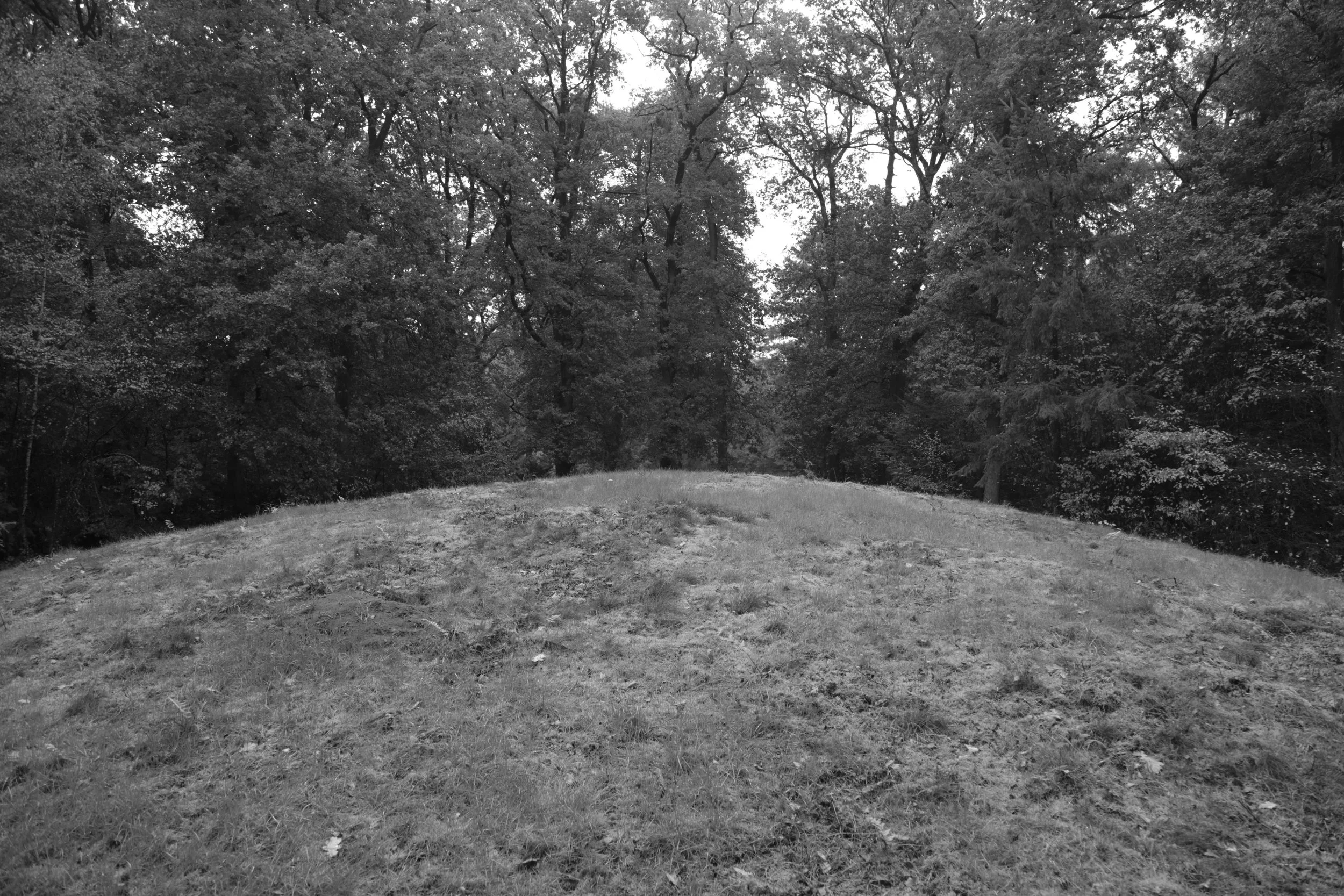
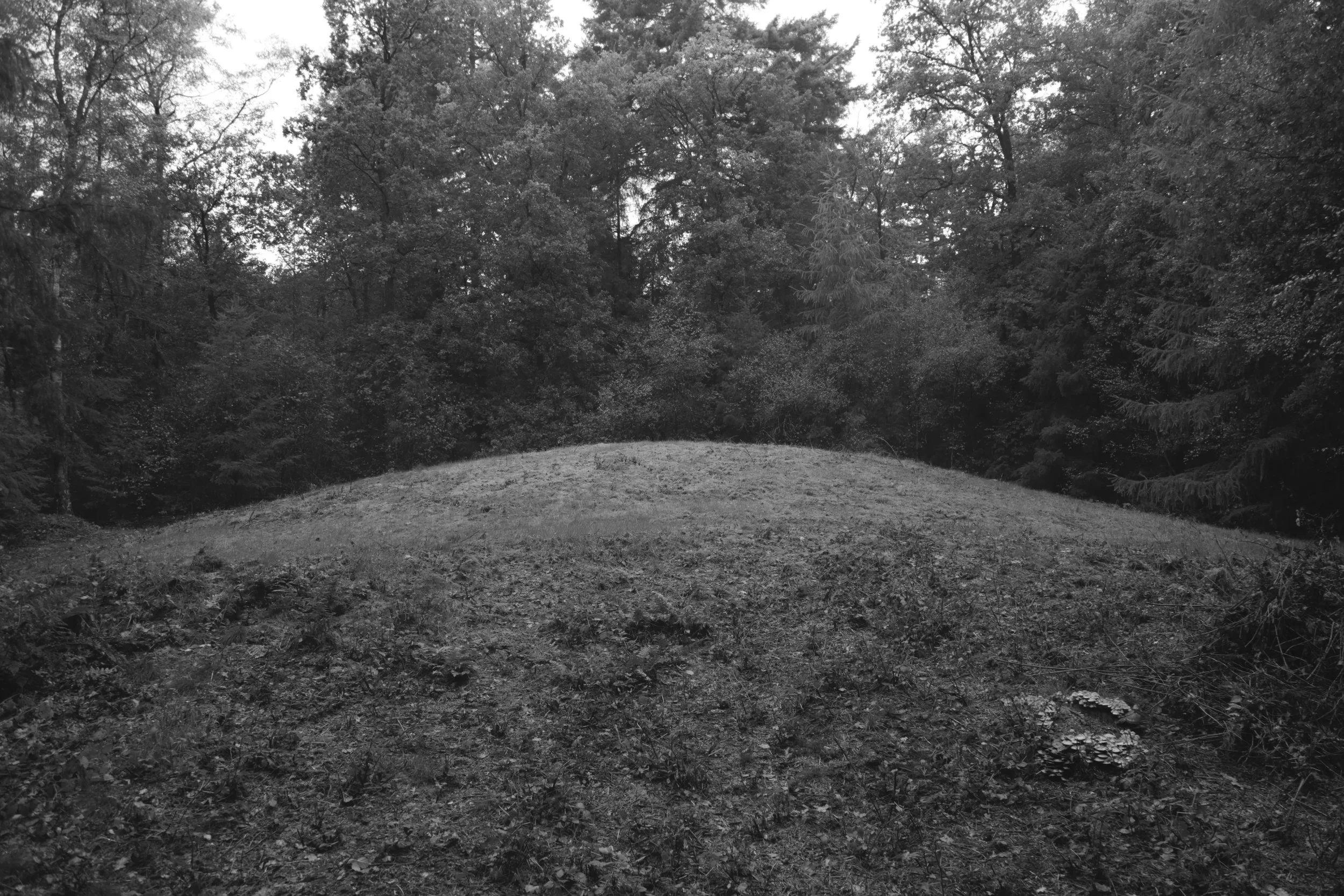
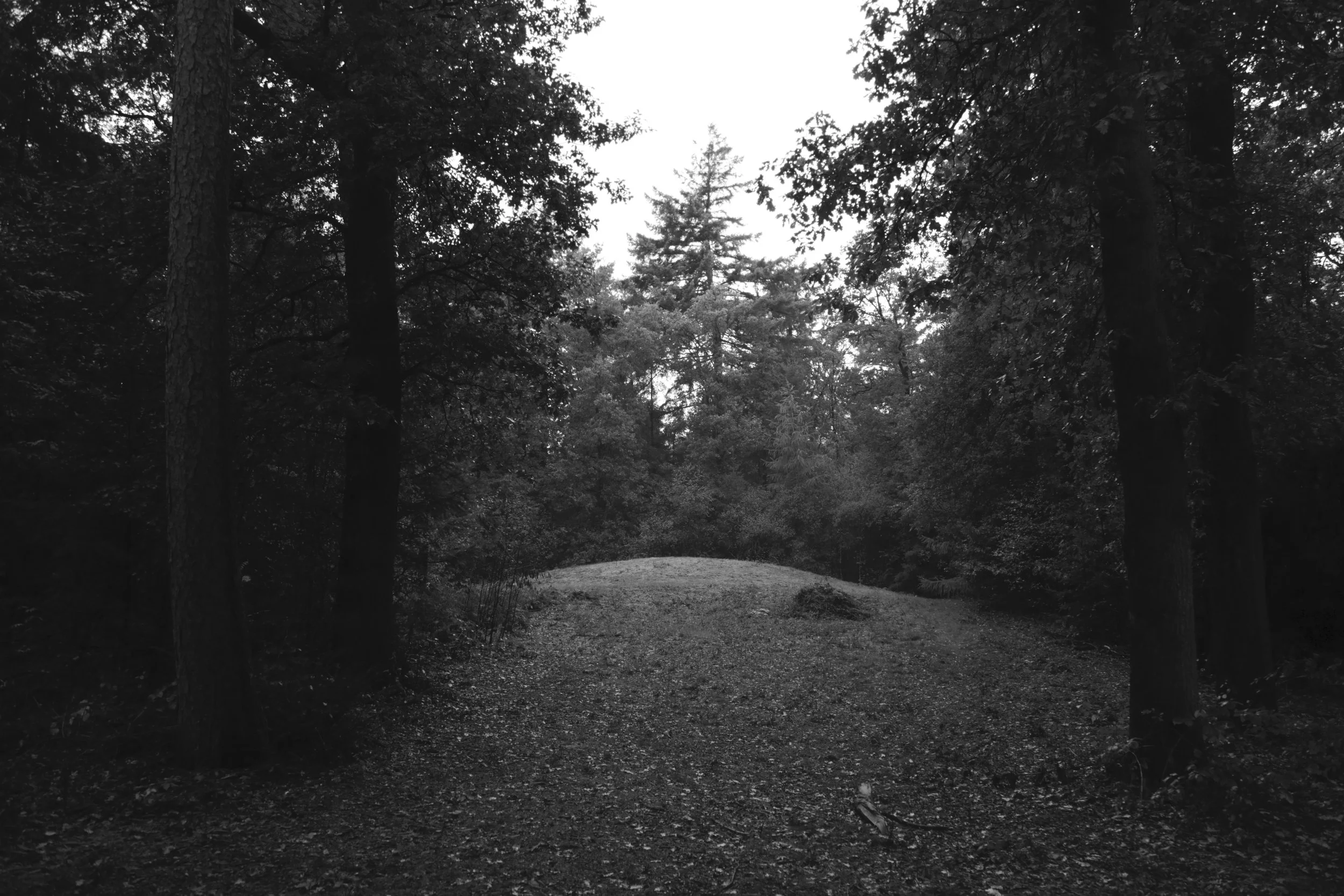
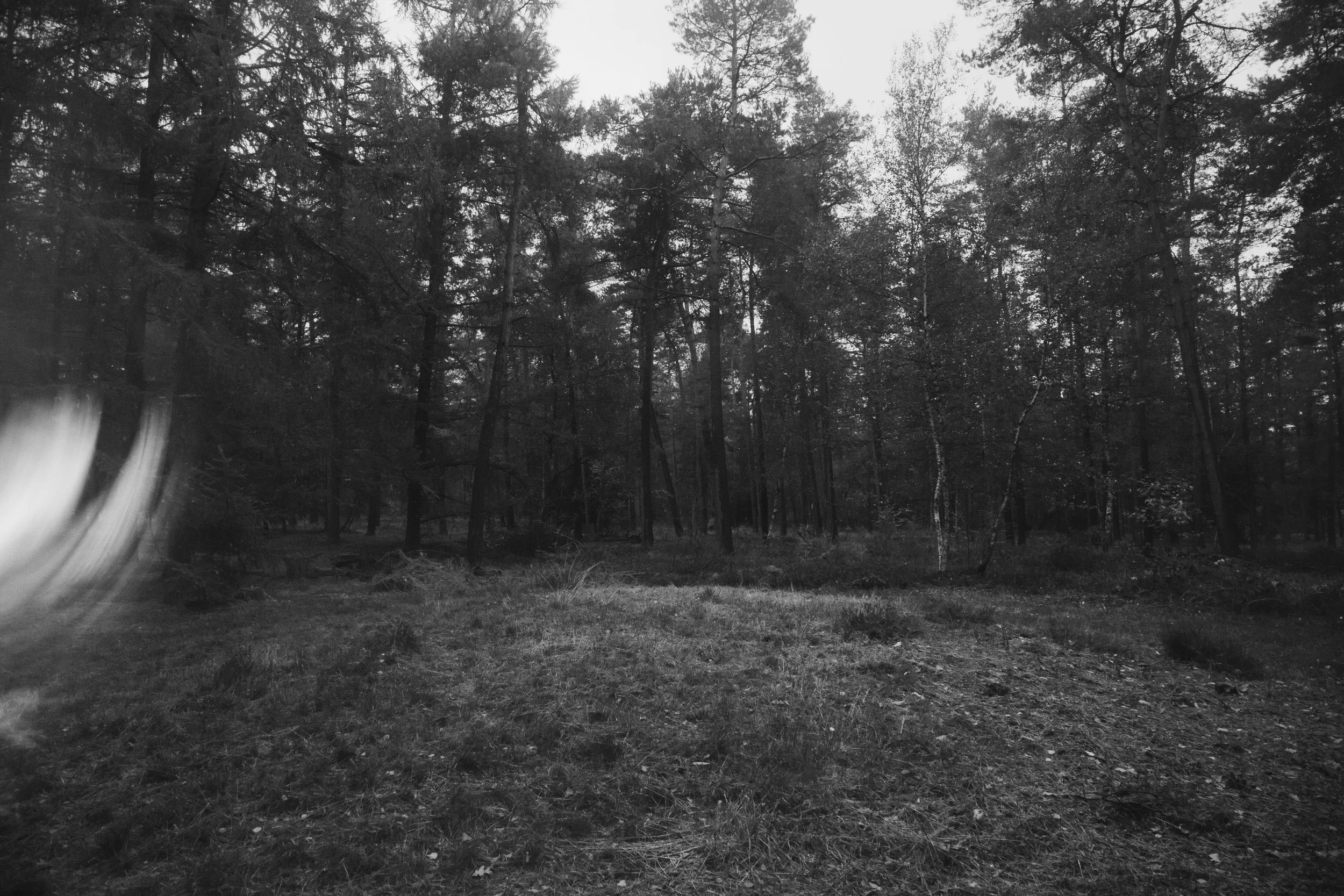
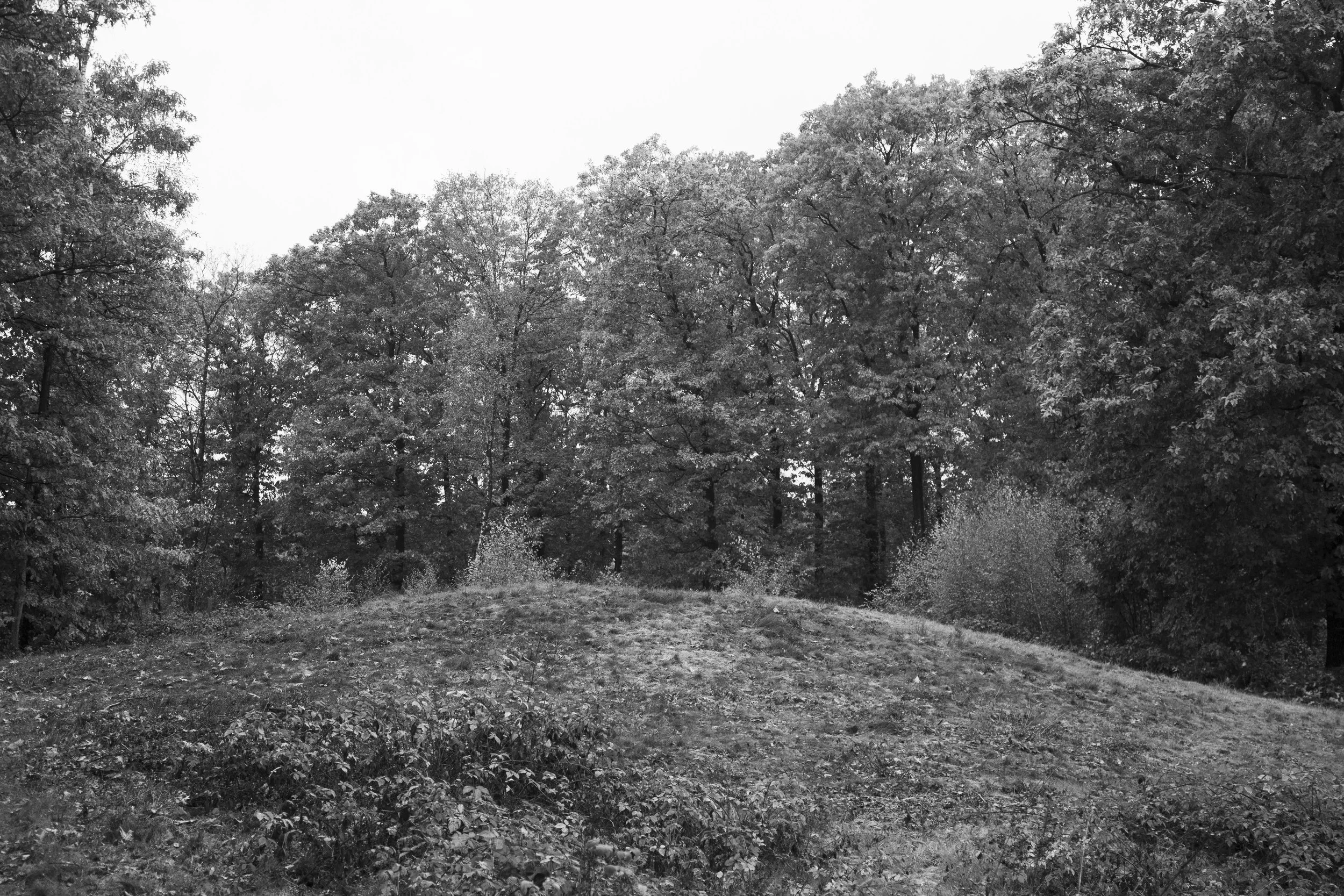
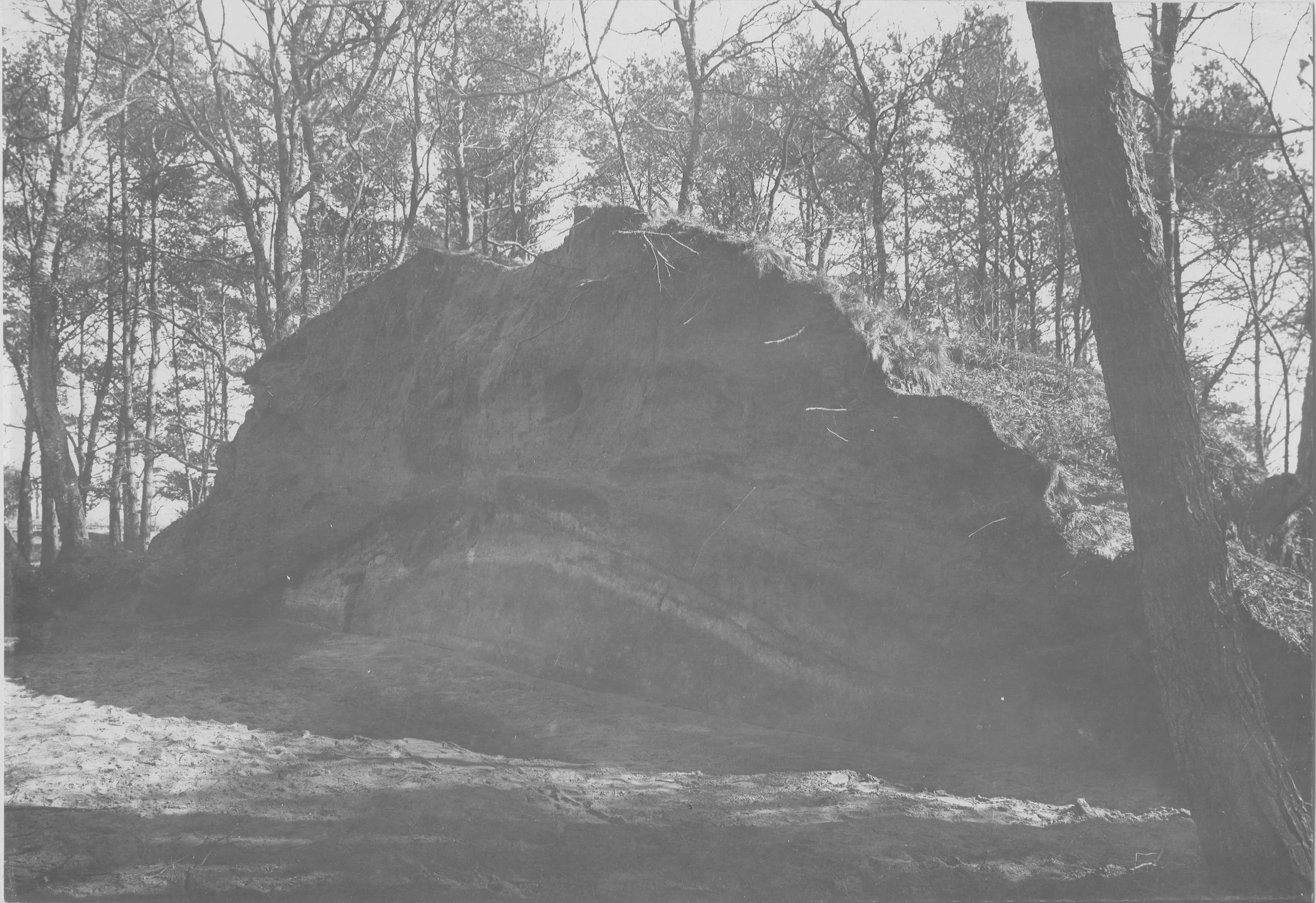
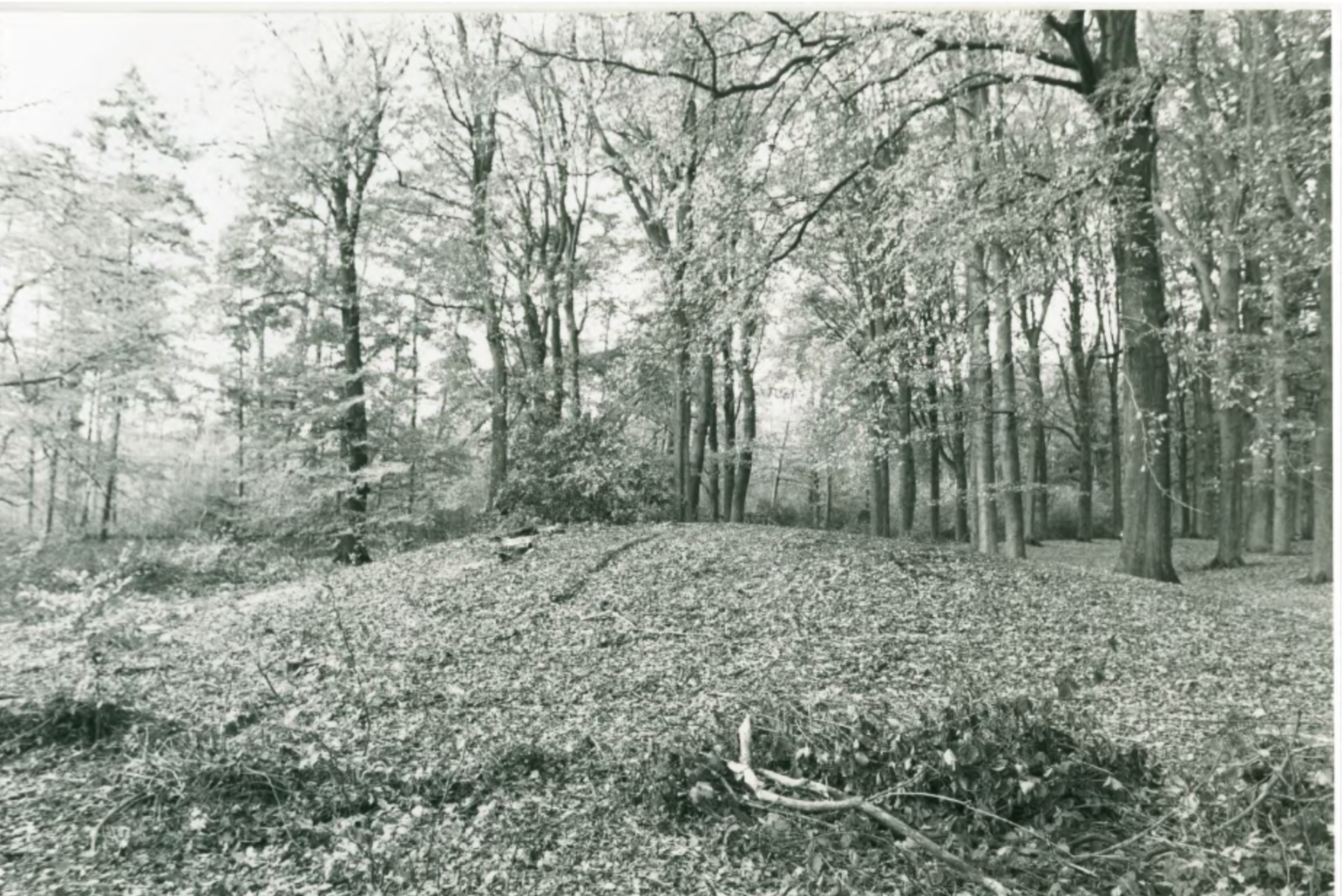
In my search for the Witte Wieven I visited a lot of burial mounds. These hills were one of the first places that appeared in my research. And especially at the national park of the Hoge Veluwe. These ‘holy hills’ are quite impressive, once you know what they are and how old they are. Burial mounds are considered one of the earliest and most important manifestations of an organized burial culture in prehistory. They mark a period in which people not only buried their dead, but did so with specific rituals and leaving lasting monuments in the landscape. The oldest in the Netherlands is from 2900 b.c! Some have been researched, opened up and explored. But most of them have been left the way they are.
Back in the day places like this (but also swamps and dolmens) were to be believed places of the ‘in between’: the separation of the world of the dead and the living was the thinnest at these spots. Liminal spaces. This is why they believed that the spirits of the deceased were to rise from these places and started to dwell: the tumuli/burial mounds represent a liminal space where the mortal world overlaps with the supernatural.
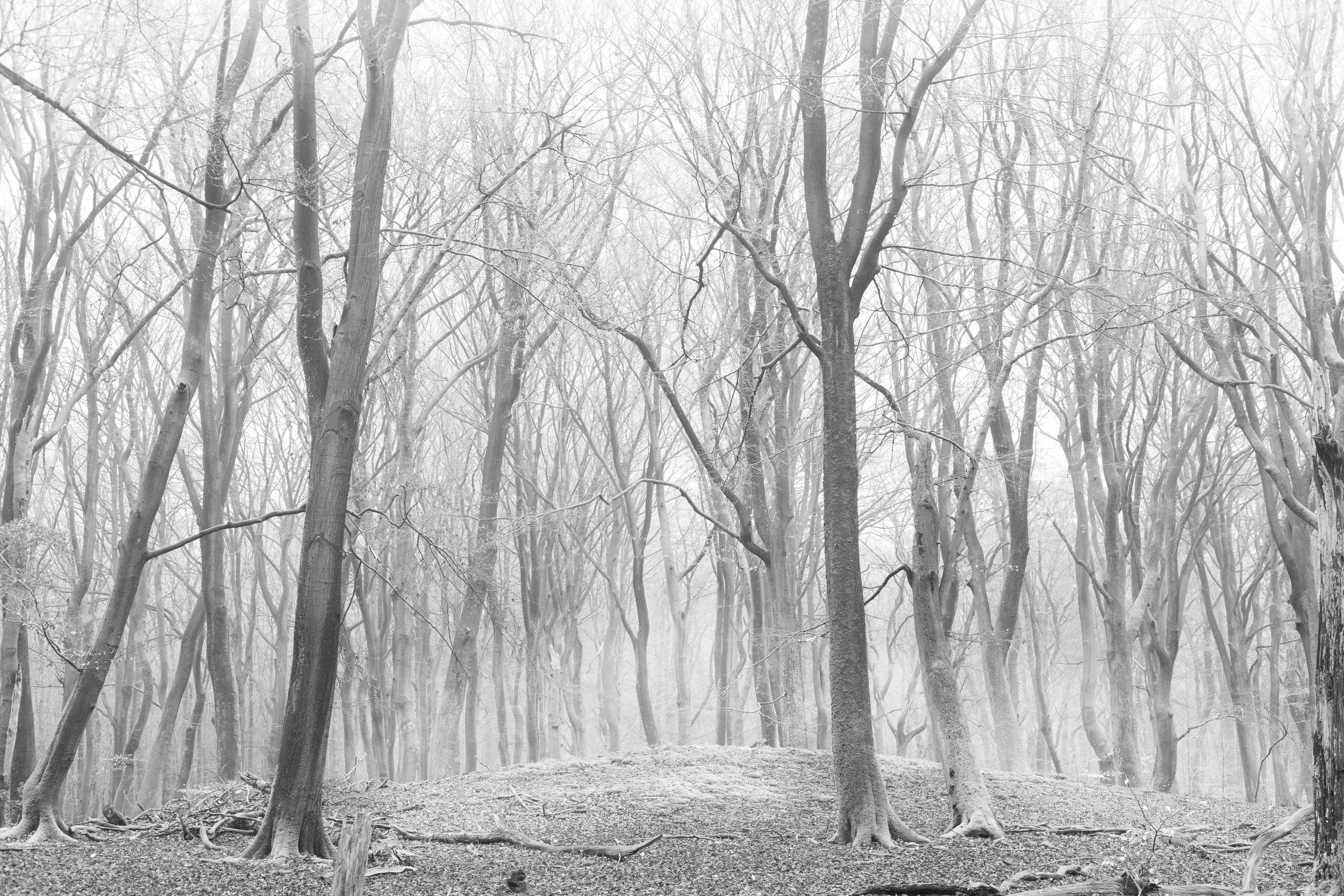
The Hill, 2025 - I Know This Much Is True
Hidden folk
In some cultures these are also the places where fairies and hiddenfolk live. Ghosts, spirits, fairies, leprecauns and other beings often carry the same characteristics, just different names in different cultures. Folklore often blurs the line between the ancient ancestors buried within the mounds and the fairies who live there.
In the Netherlands you can find the tumuli/burialmounds/grafheuvels anywhere, and we even have hikes that take you to them!
I went the the Hoge Veluwe in order to look for the spirits. And I read that ghosthunters* use infra red technology to detect ghosts, so I took an infrared filter with me to take pictures of the burialmounds I encountered during the hike. See for yourself if you can find any irregularities in the images.
Here are some hikes along the great tumuli of the Netherlands:
https://www.staatsbosbeheer.nl/uit-in-de-natuur/wandelroute-cultuurhistorie-speulderbos (this is beautiful because this forest is called ‘the forest of the dancing trees- you will see why).
https://www.komoot.com/nl-nl/highlight/6603754
*) I don’t sympathise with the word ghosthunter, because I do not want to hunt them down. Just respectfully have an encounter. But for the lack of a better word, I sometimes use it.
Forest rangers
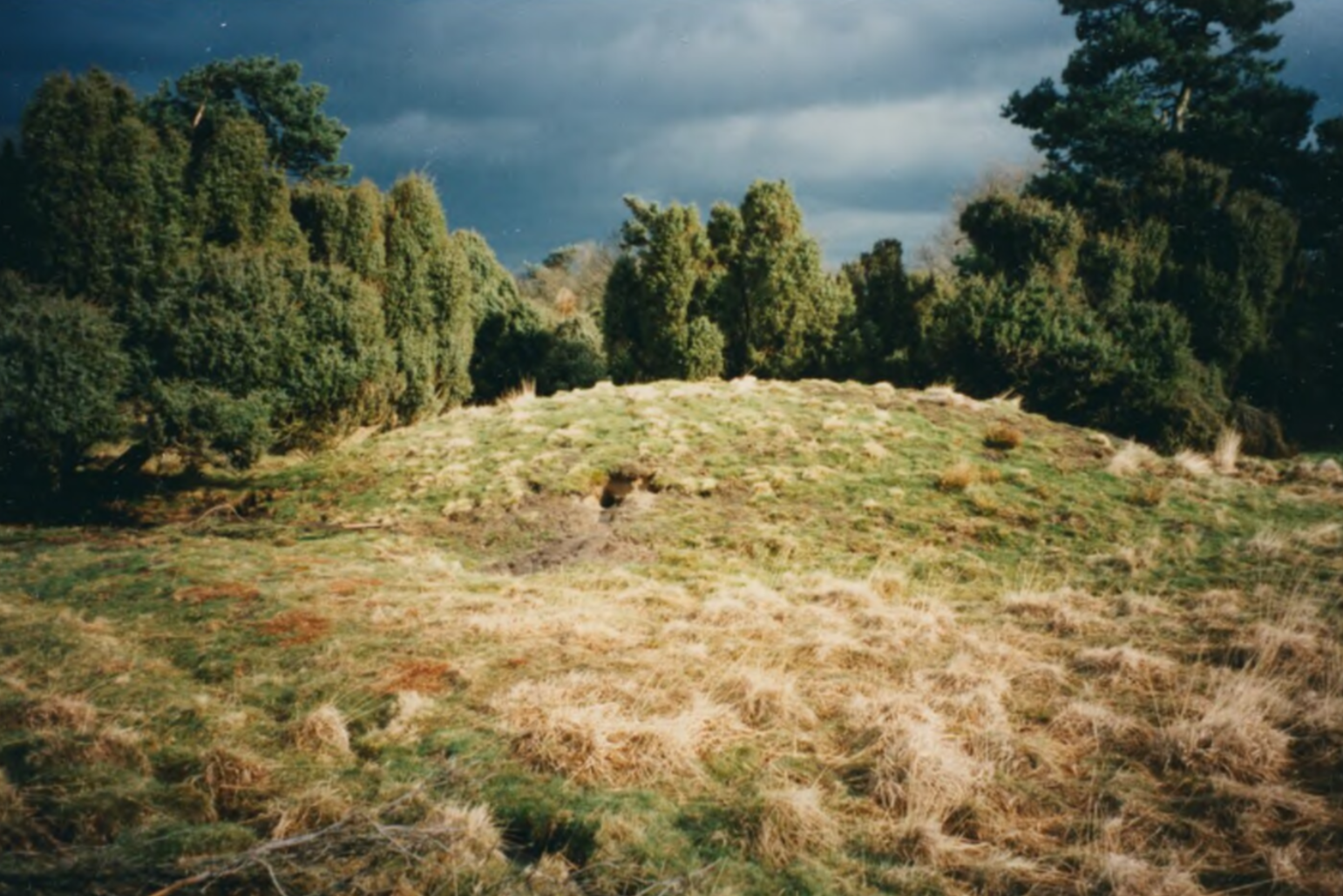
It’s cute to see that the burial mounds are treated as the national monuments they are: they are being kept clean, tidy and groomed by the forest rangers; they take away all the leaves, prevent trees and plants growing on them and somehow the grass is greener on these hills than anywhere else in the forest. They will also make sure that no heavy machinery is ontop of the hills.
Sources:
https://www.staatsbosbeheer.nl/wat-we-doen/monumenten
https://www.natuurmonumenten.nl/natuurgebieden/wolfheze/monument/archeologische-landschapselementenhttps://veluwefm.nl/onderhoud-en-bescherming-van-grafheuvels-op-de-ermelose-heide/https://www.universiteitleiden.nl/nieuws/2023/01/burgerwetenschappers-ontdekken-meer-dan-1000-nieuwe-grafheuvels
Lastly, click on the button down below to go to my own Google maps list of places where you can find the Witte Wieven:
Have fun! X jet